




 Netskope Global Technical Success (GTS)
Understanding Netskope Policy Enforcement with URL Shortened URLs
Netskope Cloud Version - 132
Objective
This document aims to provide an understanding of how Netskope Policy Enforcement works with URL-shortened URLs.
Prerequisite
Netskope SWG or NG-SWG license is required
Context
There are many applications on the internet that provide URL-shortening services. Customers may need clarity on how Netskope policy enforcement behaves when a URL is shortened using such tools. This document aims to provide that understanding.
Do You Know?
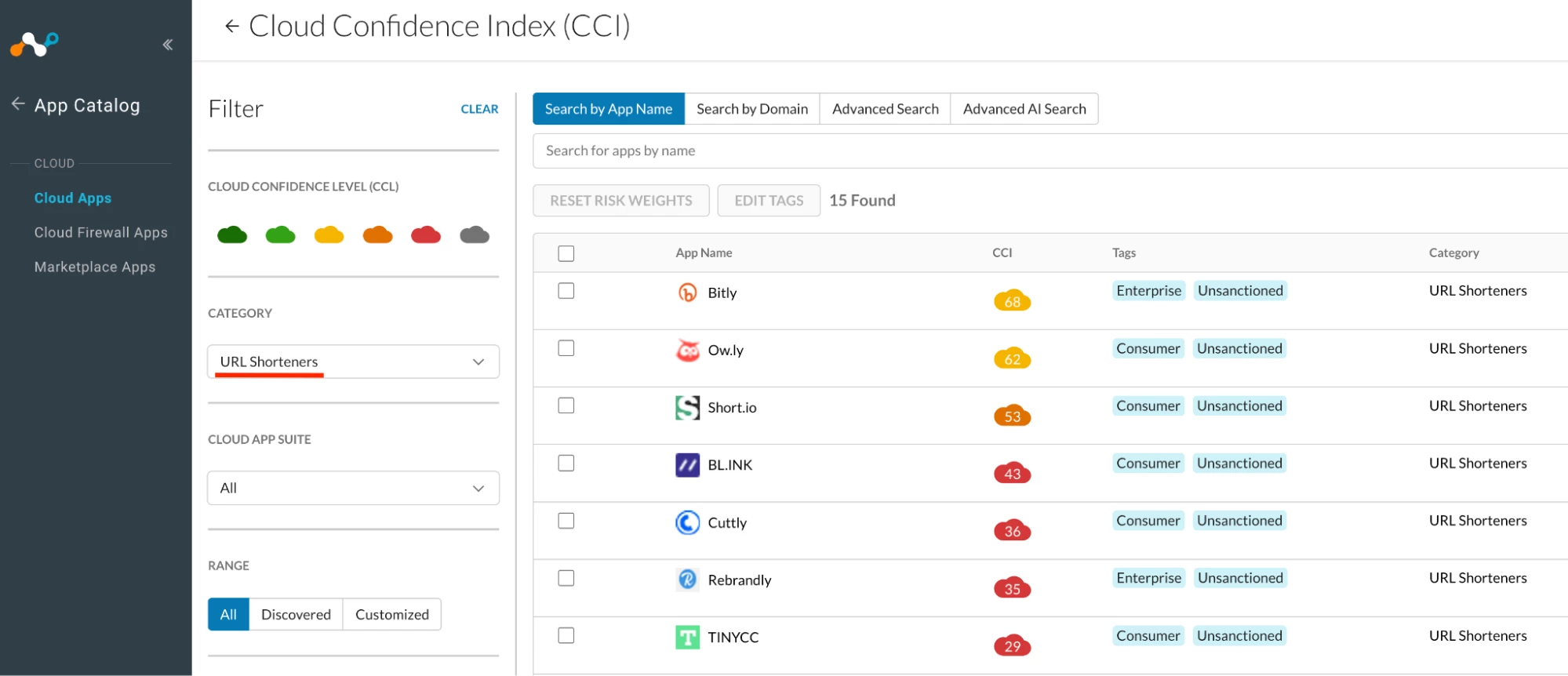
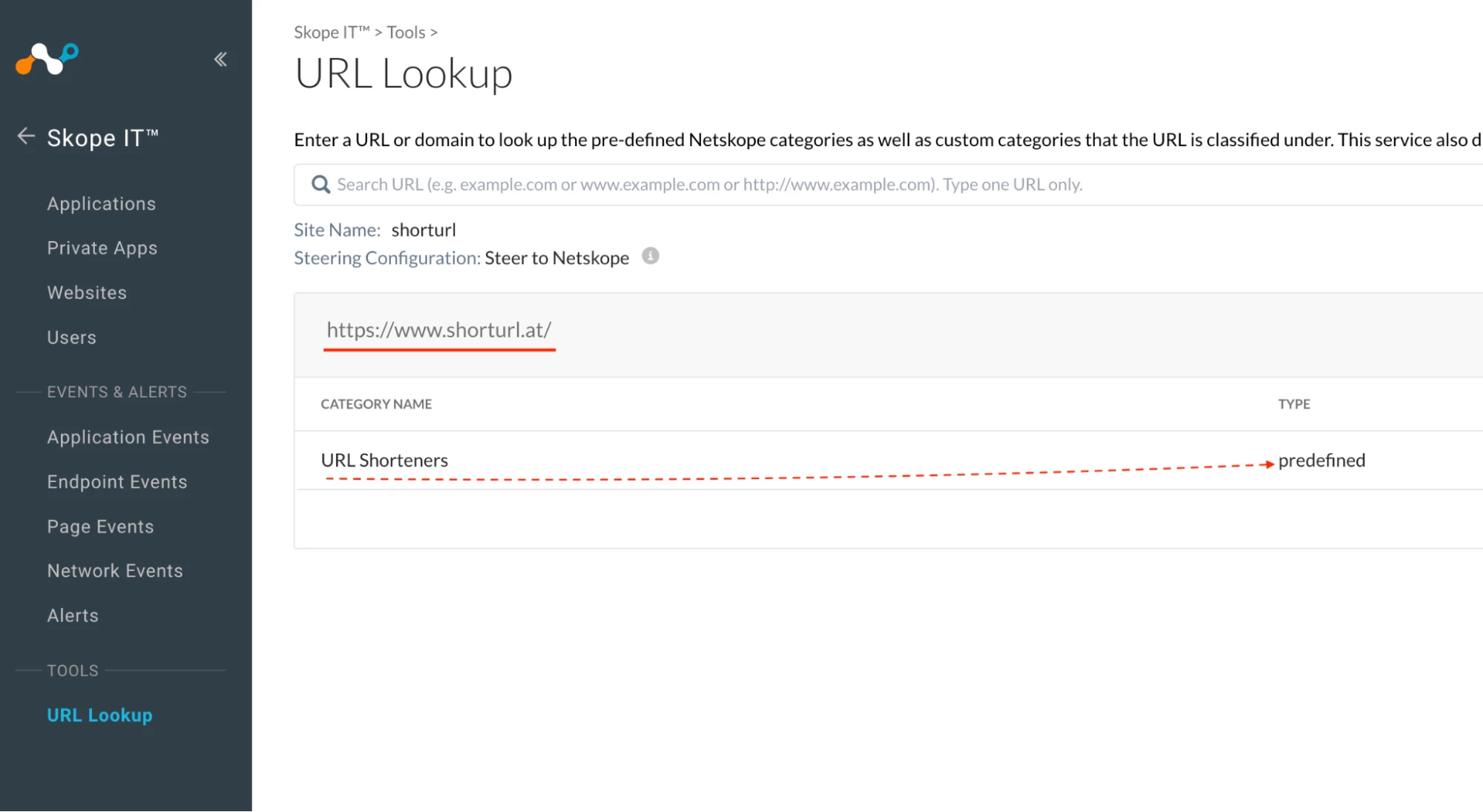
- Netskope has a predefined web category called "URL Shorteners”.
- As of December 03, 2025, Netskope identifies ~15 cloud applications within this category.

Details
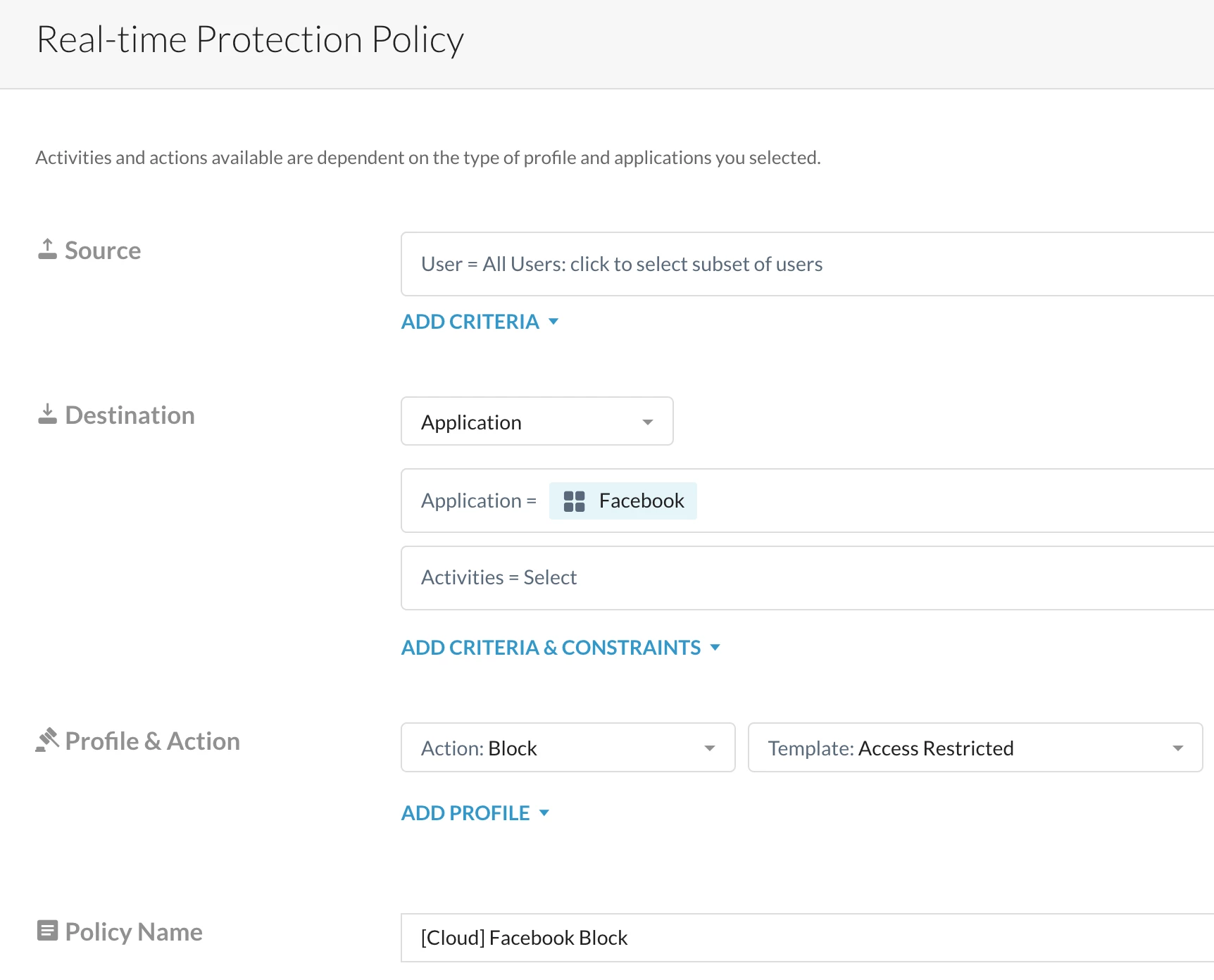
- Let’s assume a customer has configured a Realtime Policy to block a social media application such as Facebook.
- If an end-user tries to access Facebook through a URL shortener, Netskope will still evaluate each and every transaction.
- The next section explains the traffic workflow, which will help in understanding the concept more effectively.
Configuration
- Realtime protection policy to block - Facebook
Path: Netskope Tenant UI >>> Policies >>> Real-time Protection

- URL shortener tool used - https://www.shorturl.at/
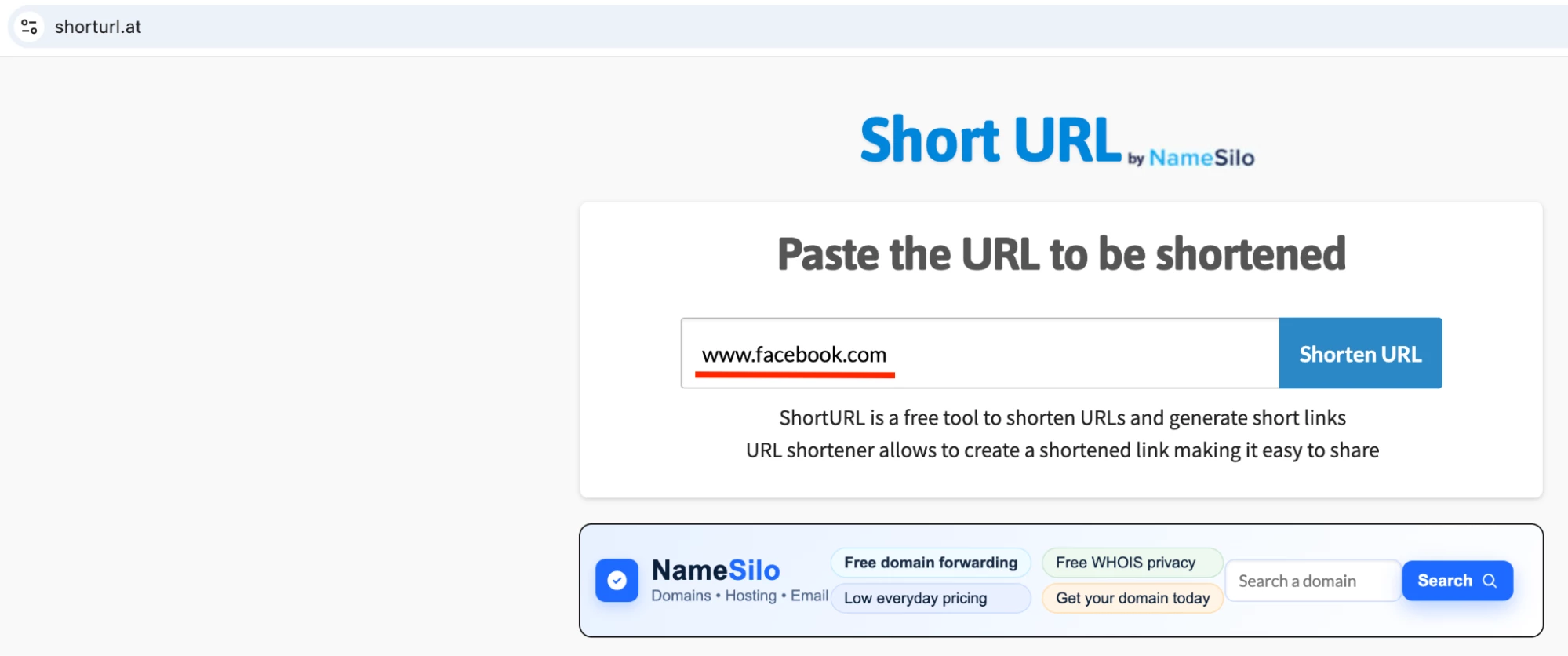
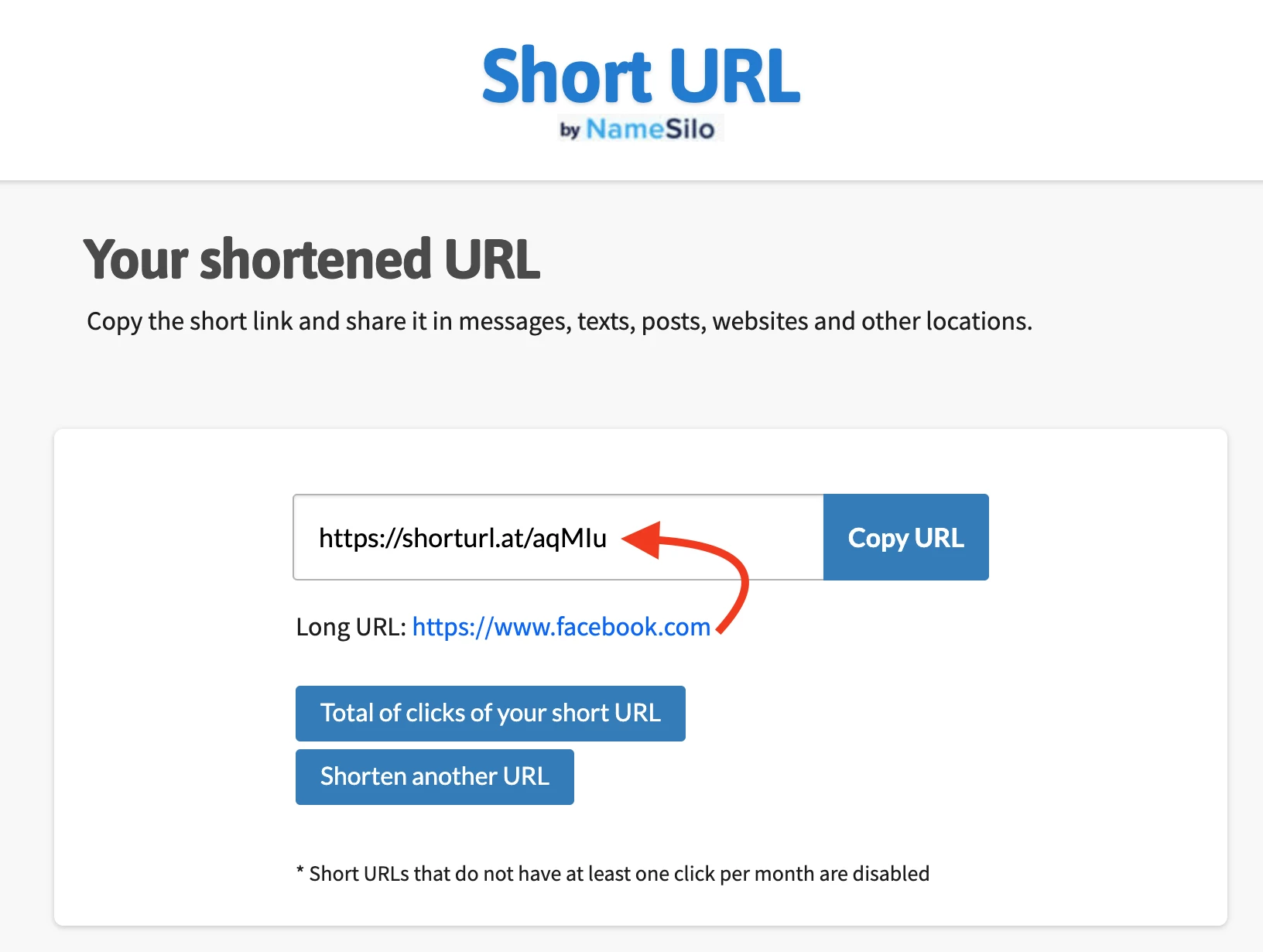


- Lets access Facebook via Shortened URL - https://shorturl.at/aqMIu
|
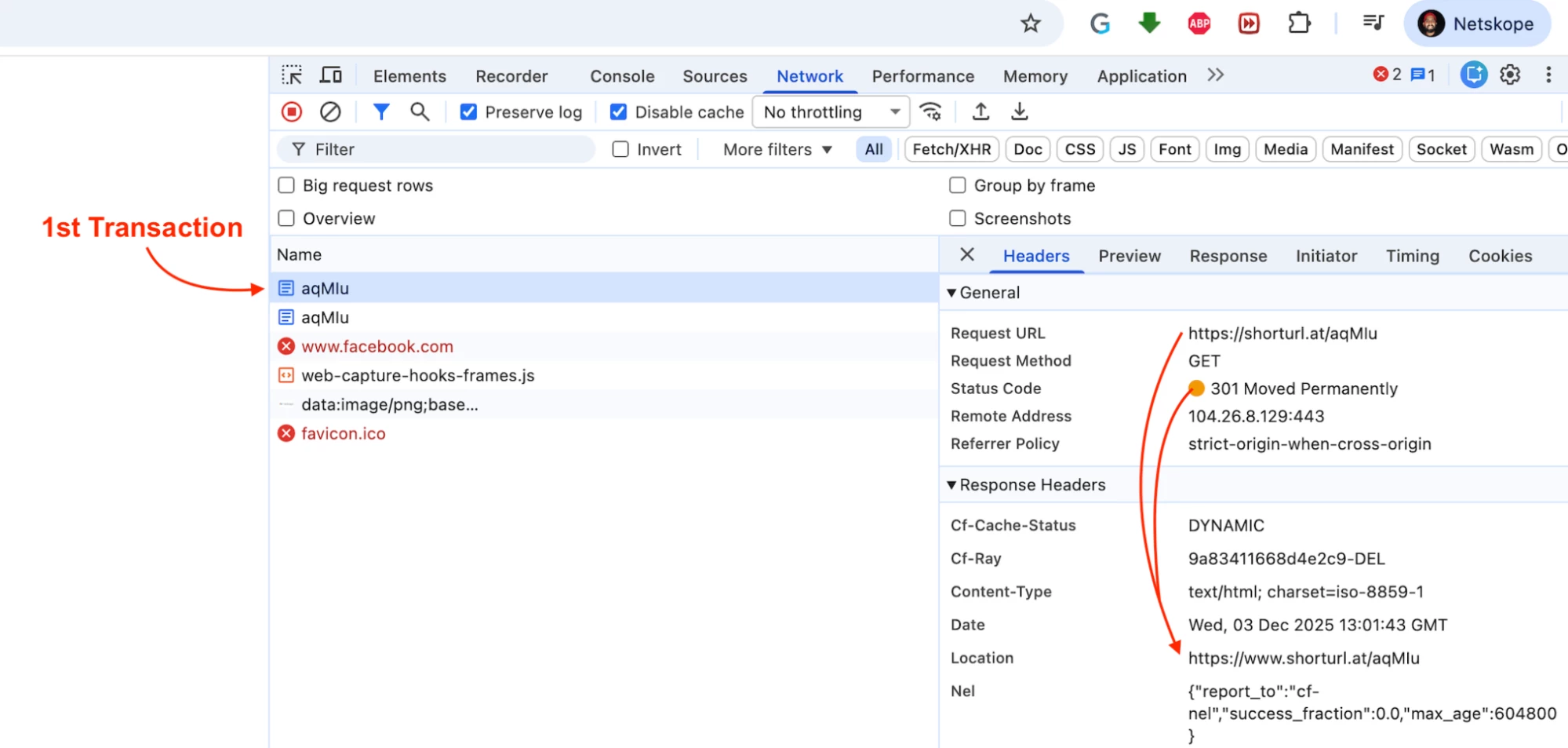
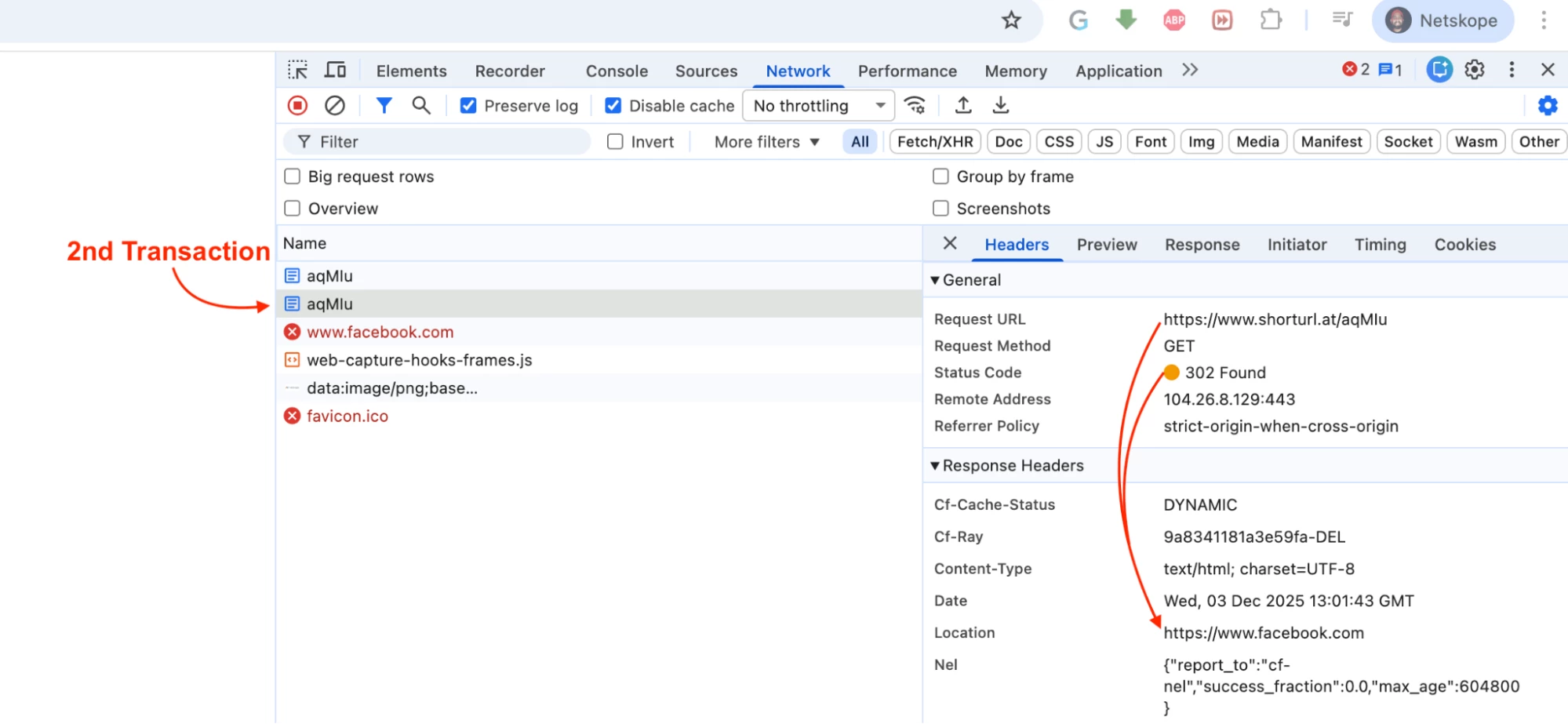
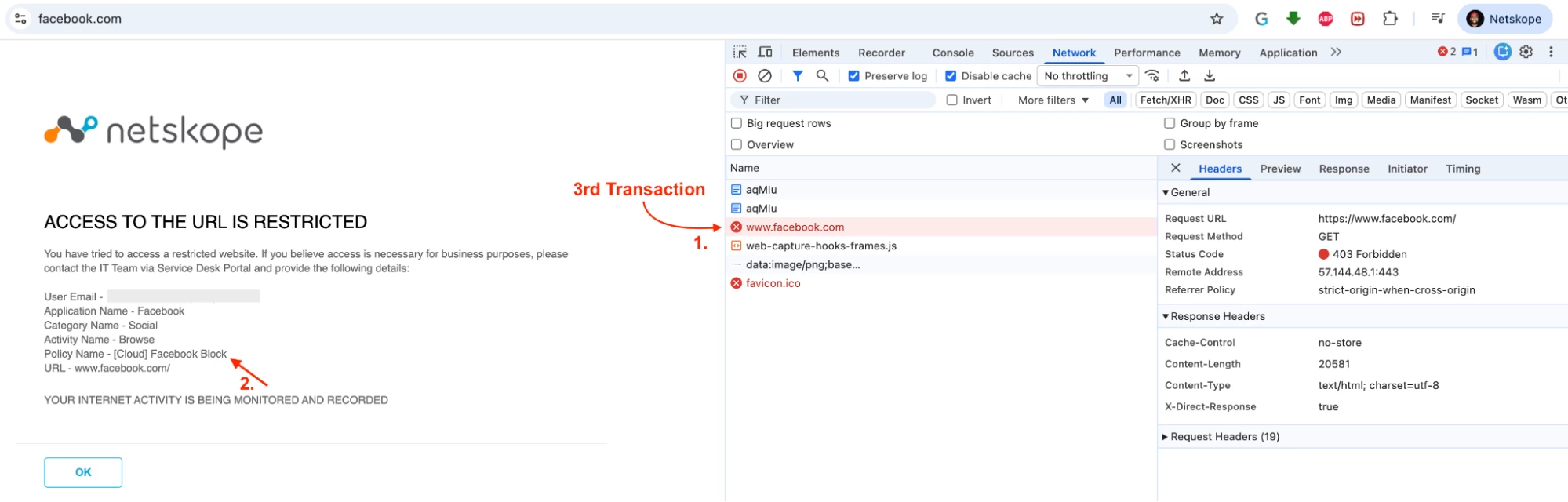
| URL | HTTP Code | Netskope Action | Result |
| Transaction 1 | https://shorturl.at/aqMIu | 301 Redirect | URL belongs to the web category URL Shorteners and traffic to URL Shorteners is allowed, Netskope will permit the traffic. | Allow |
| Transaction 2 | 302 Redirect | URL belongs to the web category URL Shorteners and traffic to URL Shorteners is allowed, Netskope will permit the traffic. | Allow | |
| Transaction 3 | http://www.facebook.com | 403 Server Refuses Connection | Netskope blocked the traffic destined for Facebook because a Realtime Policy was configured to block Facebook-related traffic. | Block |


Author Notes
- URL shortener applications maintain a database that maps each shortened URL to its original destination. When a shortened URL is accessed, the service looks up the original URL in its database.
- Netskope reviews every transaction and enforces the configured policies based on the final resolved URL.
Terms and Conditions
- All documented information undergoes testing and verification to ensure accuracy.
- In the future, it is possible that the application's functionality may be altered by the vendor. If any such changes are brought to our attention, we will promptly update the documentation to reflect them.
Notes
- This article is authored by Netskope Global Technical Success (GTS).
- For any further inquiries related to this article, please contact Netskope GTS by submitting a support case with 'Case Type – How To Questions'.